

April 22, 2026
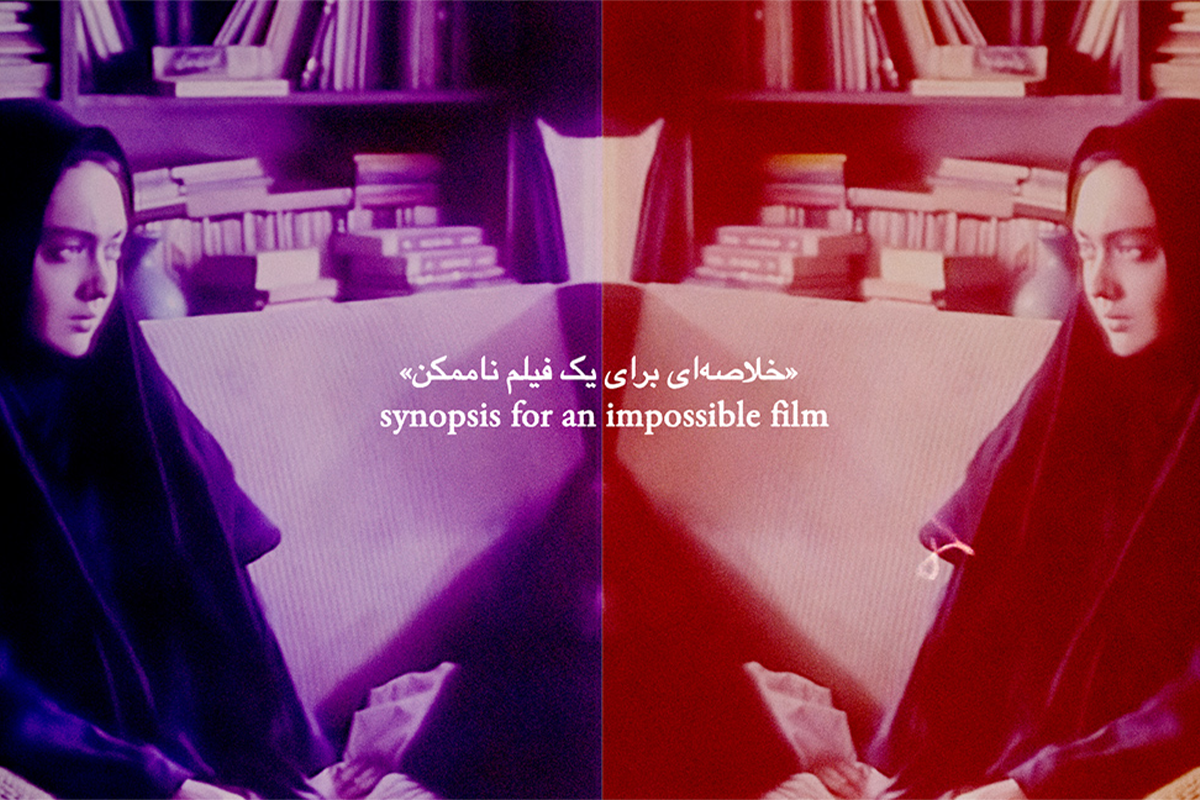
On Maryam Tafakory
This absence, like the blank spaces in Zan newspaper, contains the potential for liberation. This absence leaves her films on the verge of collapse, but in doing so, it forces us to hold them together ourselves, and gives us space into which we project our desires, our visions of freedom. The silences in which the soul can take refuge.
Read More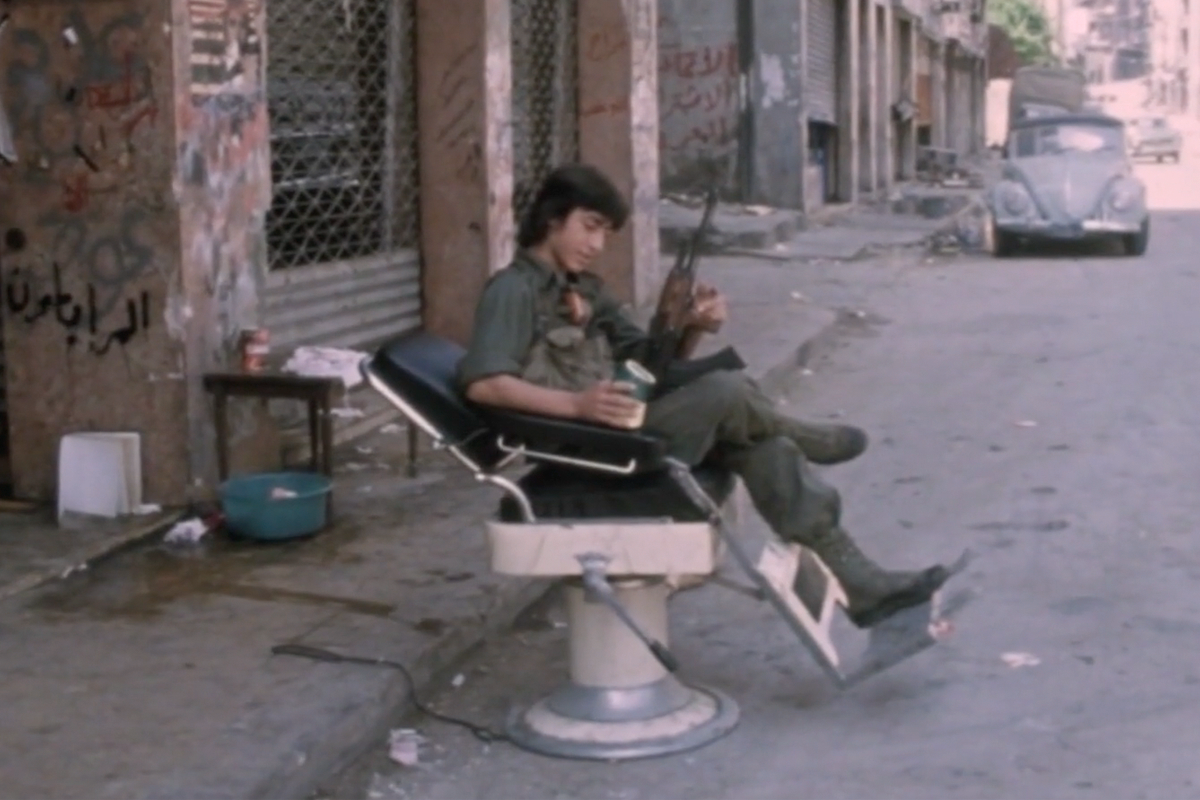
July 27, 2021
‘You Have to Treat an Image Like it Never Existed’: Jocelyne Saab’s Beirut Trilogy
by Linda Mokdad
Linda Mokdad This text is presented as part of the Mizna Film Series, a monthly selection which expands our regular film programming to include screenings, critical essays, filmmaker interviews, and discussions exploring revolutionary forms of cinema from the SWANA region and beyond. With the nationalization of the Egyptian film industry under Nasser, Lebanon was expected to replace Egypt as a distribution center for the Arabic-speaking world. The Lebanese Civil War...
Read More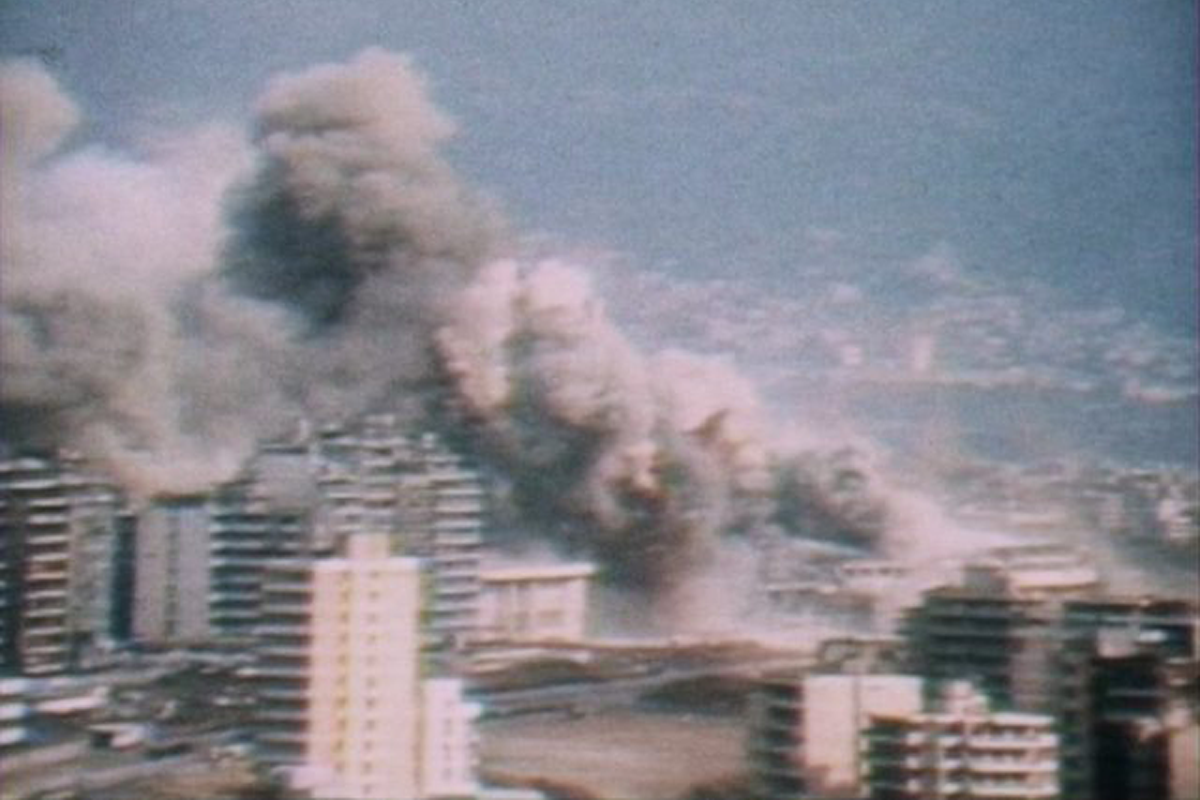
June 22, 2021
A Note on Jocelyne Saab and Screening Violence
Michelle Baroody This text is presented as part of the Mizna Film Series, a monthly selection which expands our regular film programming to include screenings, critical essays, filmmaker interviews, and discussions exploring revolutionary forms of cinema from the SWANA region and beyond. On January 7, 2019, Lebanon lost a pioneering filmmaker, journalist, photographer, artist, and political thinker with the passing of Jocelyne Saab. Saab was born in Beirut on April 30, 1948,...
Read More