

October 7, 2026
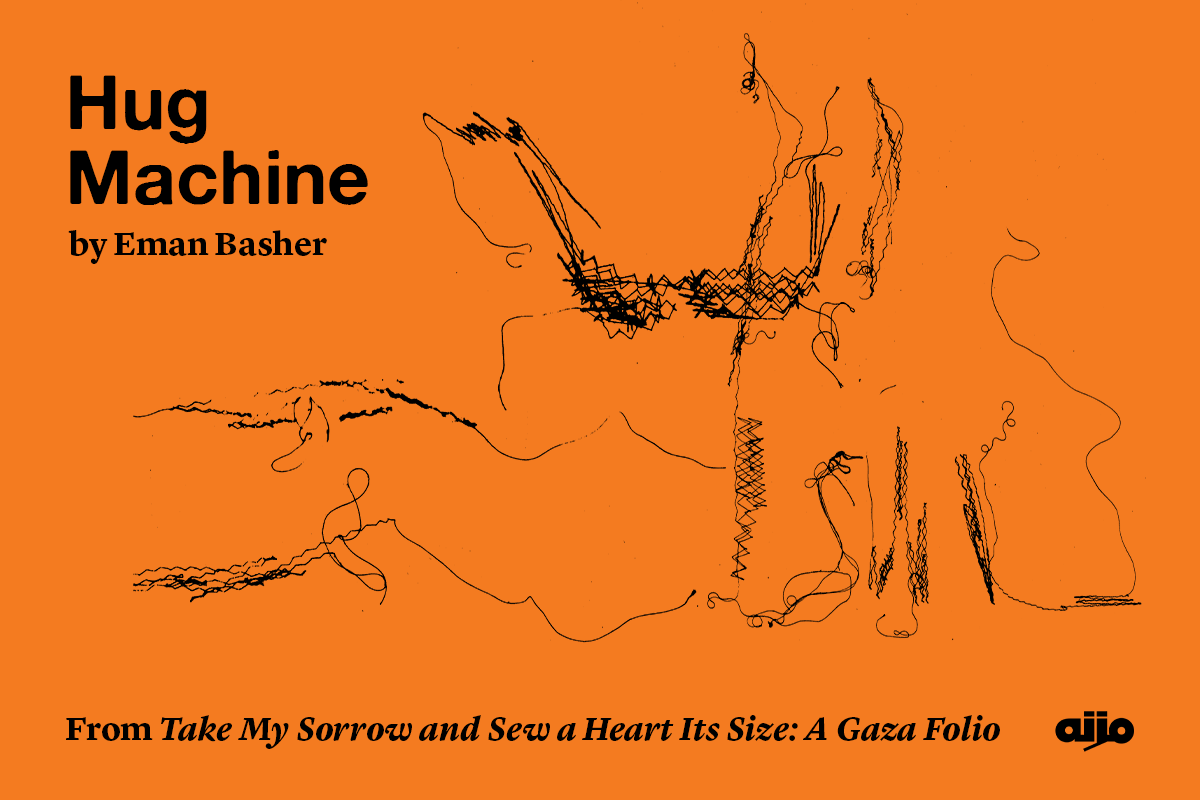
Marking Three Years of Genocide in Gaza: Hug Machine
by Eman Basher
In my first writing session with Dr. Refaat, I sat there, staring at the blank page. I wrote nothing.
Read More
September 25, 2026
In Commemoration of Mizna’s Twentieth Twin Cities Arab Film Fest
by Joana Hadjithomas & Khalil Joreige
Cinema cannot repair history. But it can give forms, incarnate, unsettle the ways history has been written. It can reveal, make visible what has been erased while leaving room for what remains invisible.
Read More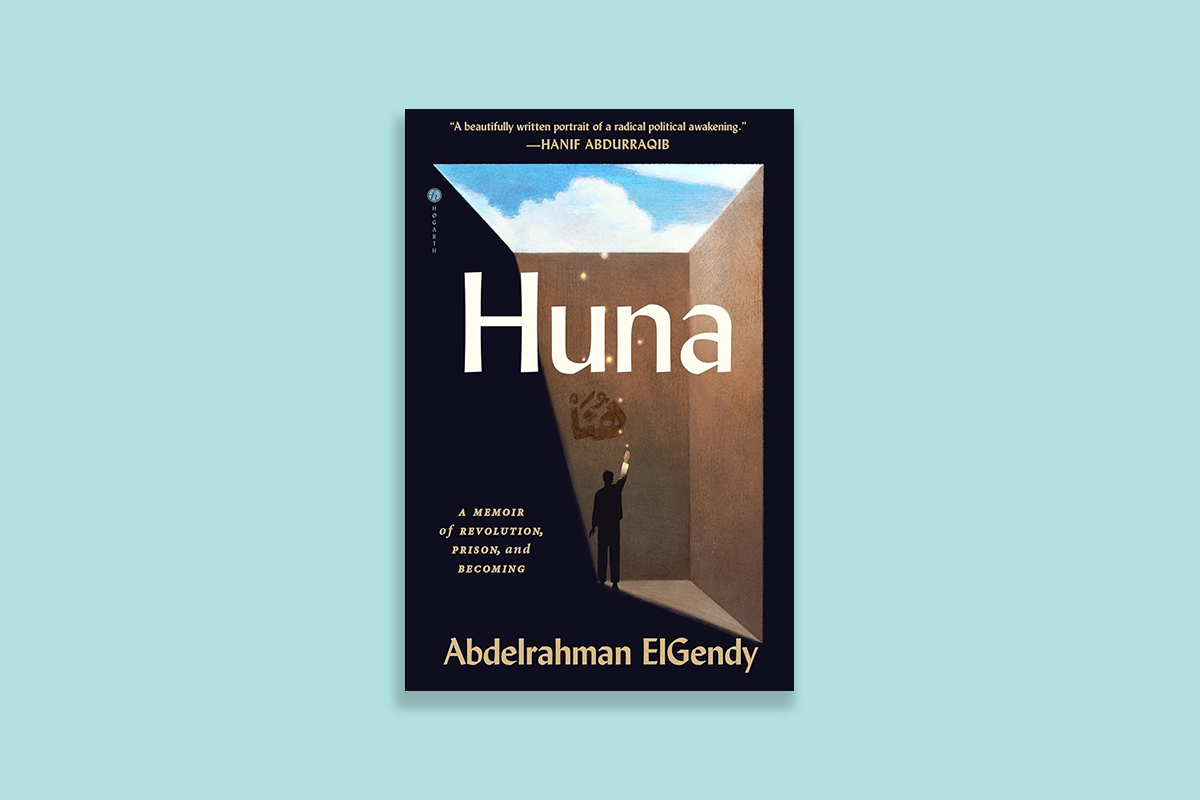
September 18, 2026
Litterateur as Saboteur: Review of HUNA by Abdelrahman ElGendy
Hereness is in smiling for the mugshot camera. Hereness is inside the prison itself, turning the null space into a source of meaning unto itself. Hereness is pure being; it is what remains when the Arms have seized everything else.
Read More